
Die globale Modelandschaft befindet sich in einem tiefgreifenden Wandel. Die Verbraucher wenden sich von der massenproduzierten Fast Fashion ab und setzen auf die Slow-Fashion-Bewegung, welche Werte Handwerkskunst, Nachhaltigkeit, und persönlicher Ausdruck. Im Zentrum dieser Transformation steht eine wachsende Nachfrage nach Hochwertige, individuelle Bekleidung aus Seide.
Im Gegensatz zu Einwegkleidung, maßgeschneiderte Seidenkleidung spricht mit zeitlose Eleganz und individuelle Identität. Die Konvergenz von Umweltbewusstsein und Personalisierungstrends hat die Luxusmärkte neu gestaltet, was zu einem gesteigerten Interesse an führt maßgeschneiderte Seidenstücke die Kunstfertigkeit mit Exklusivität verbinden.
ICH. Der Aufstieg der Slow Fashion
1. Veränderte Verbrauchermentalität
Die Slow-Fashion-Bewegung entstand als Reaktion auf Überproduktion und Verschwendung in der Bekleidungsindustrie. Moderne Verbraucher zunehmend Qualität vor Quantität priorisieren, auf der Suche nach Kleidungsstücken, die reflektieren Langlebigkeit, Ethik, und Nachhaltigkeit.
Seide, als natural and renewable fiber, aligns perfectly with this mindset. Its biodegradability, Haltbarkeit, and rich tactile qualities make it an ideal choice for consumers rejecting synthetic alternatives.
2. Sustainability as a Driving Force
The luxury apparel sector faces mounting pressure to reduce environmental impact. Seide, when sourced responsibly, supports sustainable practices:
-
Minimal chemical processing
-
Lower carbon footprint compared to synthetic fabrics
-
Ethical sericulture initiatives promoting ecological balance
By integrating sustainable sourcing with bespoke craftsmanship, silk apparel fits seamlessly within slow fashion’s guiding principles.
II. The Timeless Appeal of High-End Silk Apparel
1. A Fabric of Prestige and Tradition
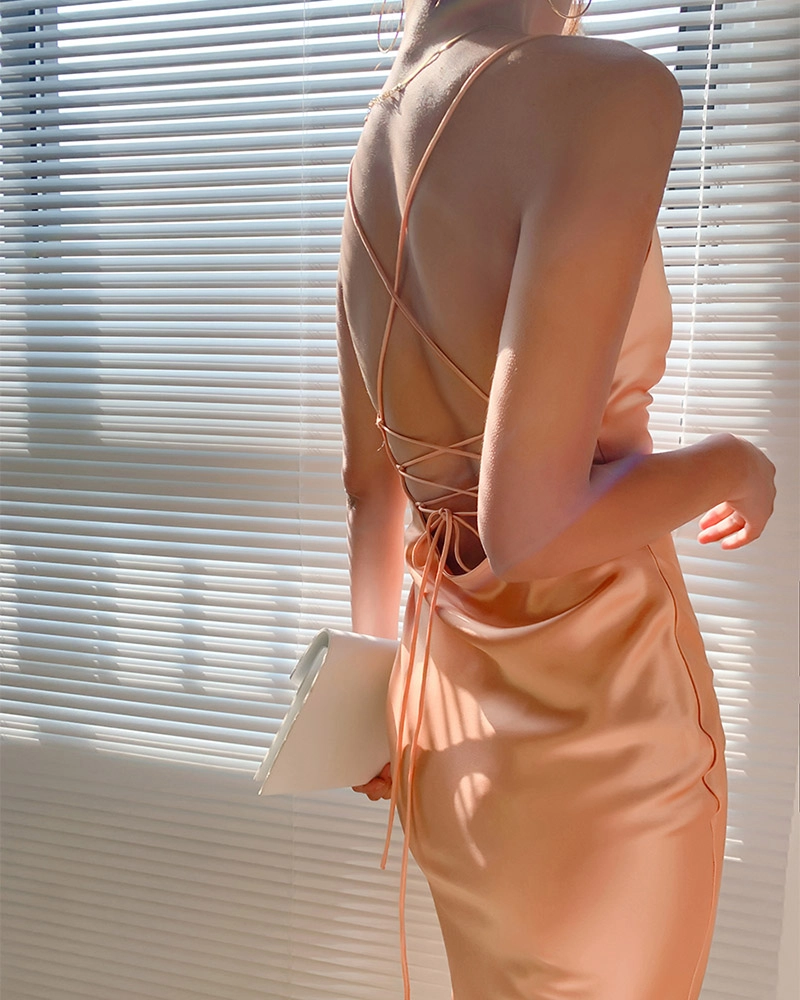
For centuries, silk has symbolized status, Eleganz, and refinement. Its natural sheen, lightweight texture, and ability to regulate temperature make it one of the most coveted fabrics in luxury fashion.
Modern consumers, however, demand more than beauty. They seek exclusive garments that merge heritage techniques with contemporary aesthetics. High-end silk custom apparel addresses this desire through tailored designs that celebrate individuality.
2. Emotional Connection and Personal Identity
Unlike ready-to-wear collections, maßgeschneiderte Seidenkleidung fosters a deep emotional connection. Each bespoke piece reflects the wearer’s personality, occasion, and lifestyle. Aus evening gowns to tailored blouses, consumers value garments that embody self-expression while retaining timeless versatility.
III. Customization as a Catalyst for Demand
1. From Standard Sizing to Bespoke Precision
One of the strongest drivers behind the rise in silk customization is dissatisfaction with standardized sizing. High-end clients increasingly seek:
-
Perfect fit tailored to unique body measurements
-
Personalized design elements, such as neckline shapes and embroidery patterns
-
Exclusive fabrics and color palettes
This growing preference for customization allows brands to differentiate products and elevate perceived value.
2. Integrating Modern Technology
Advancements in 3D body scanning, CAD design, and digital fitting simulations have redefined the customization experience. Consumers can now preview silhouette, drapieren, and proportions before production begins.
This blend of traditional craftsmanship and technological precision enhances the appeal of silk customization while reducing waste and rework.
IV. Silk’s Competitive Edge in the Luxury Market
1. Superior Material Properties
Silk offers distinct advantages over other luxury fabrics:
-
Atmungsaktivität and natural thermoregulation
-
Exceptional dye absorption, creating vibrant and lasting colors
-
Softness and drape unmatched by synthetic textiles
These inherent qualities make silk a preferred fabric for designers and consumers aiming to create timeless wardrobe investments.
2. Versatility Across Fashion Segments
High-end silk customization thrives across diverse product categories:
-
Evening wear – Elegant gowns with intricate hand-finishing
-
Business attire – Tailored silk blouses and skirts
-
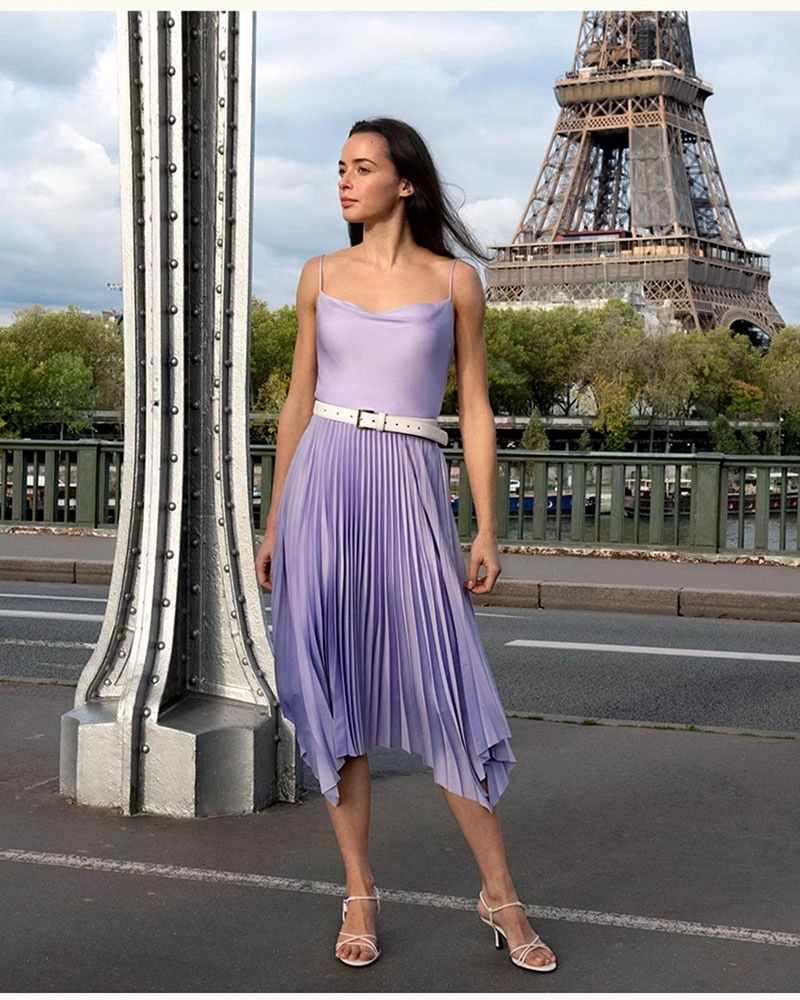
Resort and casual wear – Lightweight silk dresses and loungewear
-
Bridal fashion – Personalized silk wedding gowns
The ability to cater to multiple lifestyle segments broadens Silk’s relevance in a competitive market.
V. Market Trends Driving Silk Customization
1. Demand for Exclusivity
Luxury consumers increasingly seek products unavailable to the mass market. Bespoke silk apparel embodies exclusivity through:
-
One-of-a-kind designs
-
Limited-edition production
-
Artisan hand-finishing techniques
This scarcity-driven value resonates strongly with status-conscious clientele.
2. Integration of Sustainable Luxury
Consumers are no longer satisfied with aesthetics alone. They now expect sustainable sourcing transparency Und ethical production standards. Silk customization bridges this demand by combining:
-
Responsible silk farming
-
Artisanal handcrafting
-
Low-volume production models
This alignment positions high-end silk apparel as a premium yet ethical investment.
VI. The Role of Craftsmanship
1. Handcrafted Excellence
The production of custom silk garments demands unparalleled skill. Techniques such as hand embroidery, pleating, and painting require decades of mastery. This dedication to craftsmanship ensures:
-
Impeccable quality
-
Extended garment lifespan
-
Aesthetic depth is unattainable through mass production
2. Preserving Cultural Heritage
Many customization ateliers draw upon regional heritage techniques, from Chinese silk weaving to Italian hand-dyeing. These practices elevate the cultural value of each bespoke silk piece while safeguarding traditional artistry.
VII. Challenges and Opportunities
1. Balancing Sustainability and Exclusivity
While demand for high-end silk apparel continues to rise, brands must balance:
-
Responsible silk sourcing
-
Eco-friendly dyeing techniques
-
Low environmental impact without compromising luxury
This intersection of sustainability and exclusivity presents both challenges and opportunities for innovation.
2. Global Expansion of Luxury Customization
Emerging markets in Asia-Pacific, the Middle East, and North America are driving significant growth. These regions demonstrate rising disposable incomes und erhöhtes Interesse an personalisierte Luxusprodukte, Dadurch entstehen enorme Möglichkeiten für die Individualisierung von Seide.
Abschluss
Der Slow-Fashion-Bewegung hat die Erwartungen der Verbraucher in der Luxusbekleidungsindustrie neu definiert. Da Kunden zunehmend Wert darauf legen Nachhaltigkeit, Handwerkskunst, und Individualität, High-end silk custom apparel steht an der Spitze dieser Entwicklung.
Durch die Verschmelzung zeitlose Materialqualitäten mit modernen Individualisierungstechnologien, Seidenbekleidung genießt weiterhin eine erstklassige Positionierung in der globalen Modelandschaft. Marken und Handwerker, die Nehmen Sie die Werte der Slow Fashion an während der Lieferung maßgeschneiderte Seidenerlebnisse wird die Zukunft der Luxusbekleidung prägen.