


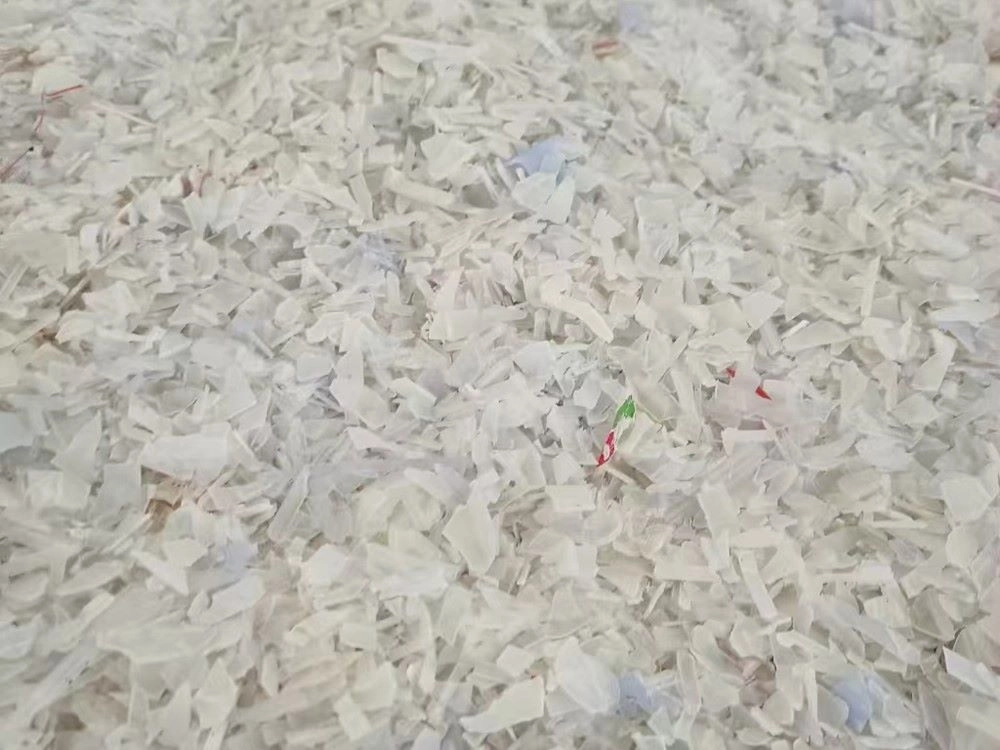
In einer Welt, die zunehmend auf Nachhaltigkeit bedacht ist, recycled fabrics have emerged as a vital solution to the growing textile waste crisis. By transforming waste materials such as old clothes, plastic bottles, and even marine debris into high-quality textiles, the fashion industry is taking a step toward environmental responsibility. These eco-friendly fabrics not only reduce waste but also offer fashionable alternatives to traditional textiles. This process involves the clever repurposing of materials that would otherwise be discarded, turning them into fabrics that are both durable and stylish.
The Process of Creating Recycled Fabrics
Recycled fabrics are created through a complex yet efficient process. The journey begins with collecting waste materials, which are sorted and processed. Any non-recyclable components are removed during this phase. Zum Beispiel, used garments and textiles are turned into fibers. These fibers can then be re-spun into new yarns. The yarn is woven or knitted to create fabric. In some cases, discarded plastic bottles and marine debris are collected, cleaned, and shredded. These materials are then transformed into fibers. Endlich, the fibers are spun into textiles. This process helps recycle waste and create sustainable fabrics.
This innovative process plays a crucial role in reducing environmental impact. By using waste materials, manufacturers significantly cut down on the need for virgin resources, reducing both pollution and the consumption of water and energy. Recycled fabrics represent a crucial shift in textile production, making it possible to produce fashionable and high-quality fabrics while minimizing the environmental footprint.
Recycelte Stoffe aus Stoffresten und Abfall
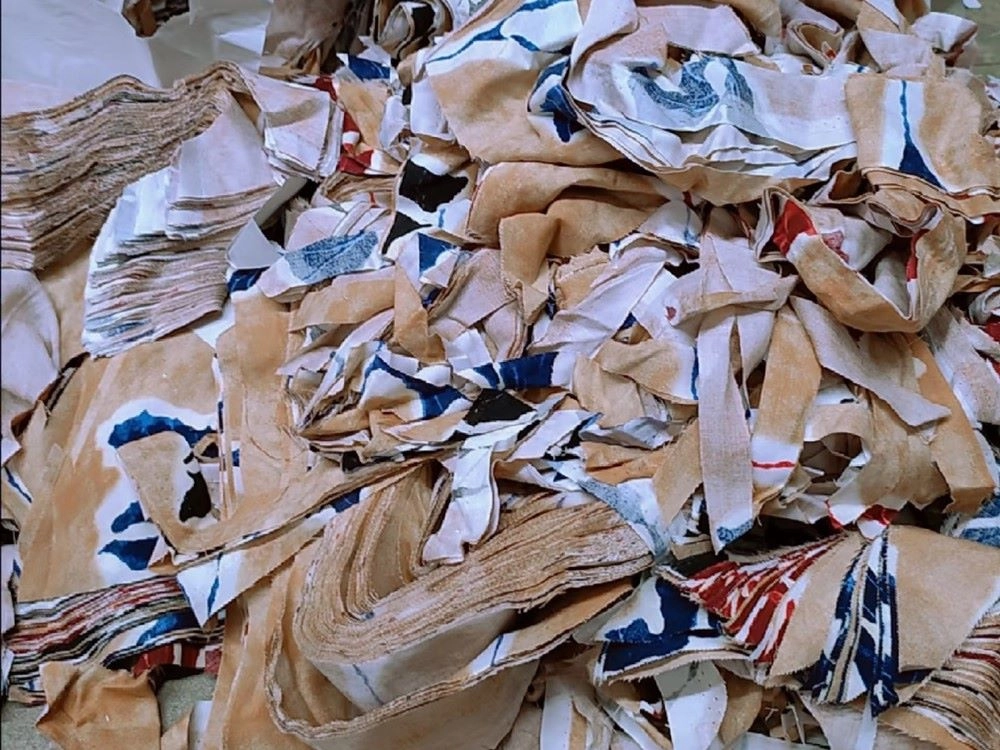
Eine der häufigsten Quellen für recyceltes Material sind Stoffreste. Die übrig gebliebenen Materialien aus der Bekleidungsproduktion und der Textilherstellung werden oft weggeworfen. Dies trägt zum wachsenden Abfallproblem bei. Jedoch, Die Recyclingtechnologien haben sich erheblich weiterentwickelt. Heute, Diese Reste können verarbeitet und in neue umgewandelt werden, hochwertige Stoffe. Infolge, Wir können Abfall reduzieren und nachhaltige Materialien für die zukünftige Verwendung schaffen.
Recycelte Stoffe aus Stoffresten tragen dazu bei, Abfall zu reduzieren und bieten gleichzeitig eine nachhaltige Alternative zur traditionellen Textilproduktion. Dieser Prozess spart nicht nur Ressourcen, sondern sorgt auch dafür, dass jedes Stück Stoff ein zweites Leben erhält, Unterstützung der Kreislaufwirtschaft. Durch die Nutzung von Abfallstoffen, die sonst auf Mülldeponien landen würden, this innovative recycling method contributes to a cleaner and greener planet.
From Plastic Bottles to Fashion: Recycled Fabrics from Plastic Waste
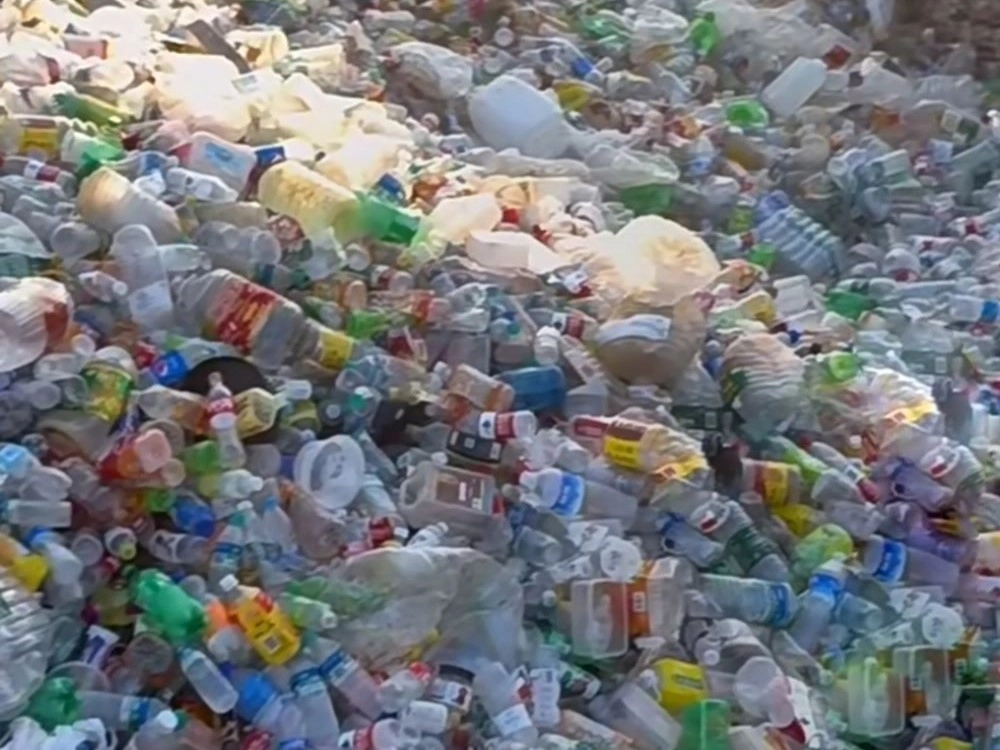
Plastic waste, especially plastic bottles, is another key source for creating recycled materials. Companies are now using recycled plastics to create fibers that are spun into fabrics. The process begins with collecting discarded plastic bottles, which are cleaned and then processed into PET (Polyethylene Terephthalate) chips. These chips are melted down and spun into fibers that can be woven or knitted into textiles.
The resulting fabrics are durable, versatile, and stylish. By transforming plastic waste into useful textiles, manufacturers are not only reducing pollution but also providing consumers with eco-friendly clothing options. These recycled fabrics from plastic waste are now widely used in everything from outdoor apparel to fashion garments, proving that sustainability and style can go hand in hand.
Recycelte Stoffe aus Meeresabfällen
Marine debris is another unconventional but highly effective source of recycled fabrics. As the global issue of ocean pollution continues to escalate, efforts to turn marine waste into wearable fabrics are gaining momentum. Recycled fabrics made from marine debris often start with the collection of plastic waste from beaches and oceans. This waste is then cleaned and processed to remove any contaminants.
Once cleaned, we shred the plastic debris and turn it into fibers. These fibers are then spun into yarn. The yarn is woven into fabrics, which can be used in a variety of products. These products include clothing, Zubehör, and home textiles. The process ensures that plastic waste is transformed into useful, sustainable materials. Recycled fabrics made from marine debris offer a way to tackle ocean pollution while simultaneously providing the fashion industry with sustainable and eco-friendly materials.
Advantages of Recycled Fabrics
The use of recycled fabrics brings several benefits to both the environment and the fashion industry. By recycling waste materials, manufacturers significantly reduce the amount of textile waste that ends up in landfills. This helps to minimize pollution and conserve natural resources, such as water and energy, which are typically used in the production of virgin textiles.
Recycled fabrics contribute to a more sustainable fashion industry. They provide high-quality materials that can be used in various applications. By repurposing these fabrics, we reduce waste and promote eco-friendly practices. This not only benefits the environment but also supports the growing demand for sustainable fashion. These fabrics are durable, versatile, and fashionable, making them a great choice for consumers who want to make more eco-conscious purchasing decisions. With recycled fabrics, it’s now possible to create beautiful, stylish clothing without sacrificing sustainability.
Our Custom Recycled Fabrics Solutions
Und Moli, we are dedicated to providing high-quality fabrics to our clients. These fabrics are made from sustainable, recycled materials. By using recycled materials, we help reduce environmental impact. Our commitment to sustainability ensures that every fabric we offer meets both quality and eco-friendly standards. As a leading custom clothing supplier, Wir sind darauf spezialisiert, maßgeschneiderte Lösungen anzubieten, die den individuellen Bedürfnissen unserer Kunden gerecht werden. Egal, ob Sie auf der Suche nach recycelten Stoffen aus Altkleidern sind, plastic bottles, oder Meeresschutt, Wir bieten eine breite Palette an Optionen, um Ihren Projektanforderungen gerecht zu werden.
Unsere recycelten Stoffe sind nicht nur umweltfreundlich, sondern auch langlebig und stilvoll, Dadurch eignen sie sich perfekt für eine Vielzahl von Anwendungen, von Mode bis Heimtextilien. Wir arbeiten eng mit unseren Kunden zusammen, um sicherzustellen, dass jedes von uns gelieferte Stoffstück genau ihren Spezifikationen entspricht, Wir helfen ihnen dabei, nachhaltige Produkte zu entwickeln, die sowohl umweltfreundlich als auch stilvoll sind.
Abschluss
Die Umwandlung von Abfallmaterialien in modische Textilien durch recycelte Stoffe ist ein bedeutender Schritt in Richtung einer nachhaltigeren Zukunft. The fashion industry is making strides in reducing its environmental impact by recycling fabric scraps, plastic bottles, and marine debris. This effort helps create stylish, high-quality products with a smaller carbon footprint. Und Moli, we proudly contribute to this movement. We provide our clients with custom-made recycled materials that not only meet their sustainability goals but also support a cleaner planet. This way, we can all make a positive impact on the environment while maintaining high fashion standards.
