
El panorama mundial de la moda está experimentando una profunda transformación. Consumers are shifting away from mass-produced fast fashion and embracing the slow fashion movement, which values artesanía, sostenibilidad, and personal expression. At the heart of this transformation lies a growing demand for high-end silk custom apparel.
Unlike disposable garments, customized silk clothing speaks to timeless elegance and individual identity. The convergence of eco-consciousness and personalization trends has reshaped luxury markets, driving increased interest in bespoke silk pieces that combine artistry with exclusivity.
I. The Rise of Slow Fashion
1. Changing Consumer Mindsets
The slow fashion movement emerged as a response to overproduction and waste in the apparel industry. Modern consumers increasingly prioritize quality over quantity, seeking garments that reflect longevity, ethics, and sustainability.
Seda, as a natural and renewable fiber, aligns perfectly with this mindset. Its biodegradabilidad, durabilidad, y ricas cualidades táctiles lo convierten en una opción ideal para los consumidores que rechazan las alternativas sintéticas.
2. La sostenibilidad como motor
El sector de la indumentaria de lujo enfrenta una presión cada vez mayor para reducir el impacto ambiental. Seda, cuando se obtiene de forma responsable, apoya prácticas sostenibles:
-
Procesamiento químico mínimo
-
Menor huella de carbono en comparación con los tejidos sintéticos.
-
Iniciativas de sericultura ética que promueven el equilibrio ecológico
Integrando el abastecimiento sostenible con la artesanía personalizada, la ropa de seda encaja perfectamente dentro Principios rectores de la moda lenta.

II. El atractivo atemporal de la ropa de seda de alta gama
1. Un tejido de prestigio y tradición
Durante siglos, la seda ha simbolizado estado, elegancia, y refinamiento. Su brillo natural, textura ligera, y su capacidad para regular la temperatura lo convierten en uno de los más telas codiciadas in luxury fashion.
Modern consumers, however, demand more than beauty. They seek exclusive garments that merge heritage techniques with contemporary aesthetics. High-end silk custom apparel addresses this desire through tailored designs that celebrate individuality.
2. Emotional Connection and Personal Identity
Unlike ready-to-wear collections, ropa de seda personalizada fosters a deep emotional connection. Each bespoke piece reflects the wearer’s personality, occasion, and lifestyle. From evening gowns to tailored blouses, consumers value garments that embody self-expression while retaining timeless versatility.
III. Customization as a Catalyst for Demand
1. From Standard Sizing to Bespoke Precision
One of the strongest drivers behind the rise in silk customization is dissatisfaction with standardized sizing. High-end clients increasingly seek:
-
Perfect fit tailored to unique body measurements
-
Personalized design elements, such as neckline shapes and embroidery patterns
-
Exclusive fabrics and color palettes
This growing preference for customization allows brands to differentiate products and elevate perceived value.
2. Integrating Modern Technology
Advancements in 3D body scanning, CAD design, and digital fitting simulations have redefined the customization experience. Consumers can now preview silhouette, cubrir, and proportions before production begins.
This blend of traditional craftsmanship and technological precision enhances the appeal of silk customization while reducing waste and rework.
IV. Silk’s Competitive Edge in the Luxury Market
1. Superior Material Properties
Silk offers distinct advantages over other luxury fabrics:
-
Transpirabilidad and natural thermoregulation
-
Exceptional dye absorption, creating vibrant and lasting colors
-
Softness and drape unmatched by synthetic textiles
These inherent qualities make silk a preferred fabric for designers and consumers aiming to create timeless wardrobe investments.
2. Versatility Across Fashion Segments
High-end silk customization thrives across diverse product categories:
-
Evening wear – Elegant gowns with intricate hand-finishing
-
Business attire – Tailored silk blouses and skirts
-
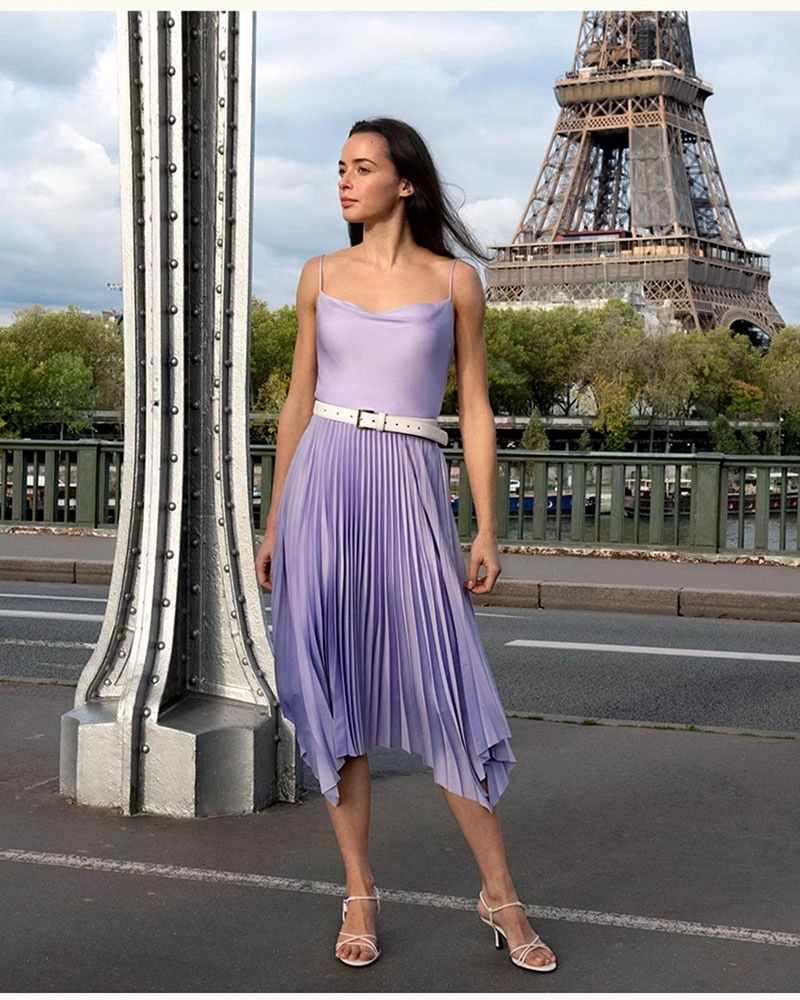
Resort and casual wear – Lightweight silk dresses and loungewear
-
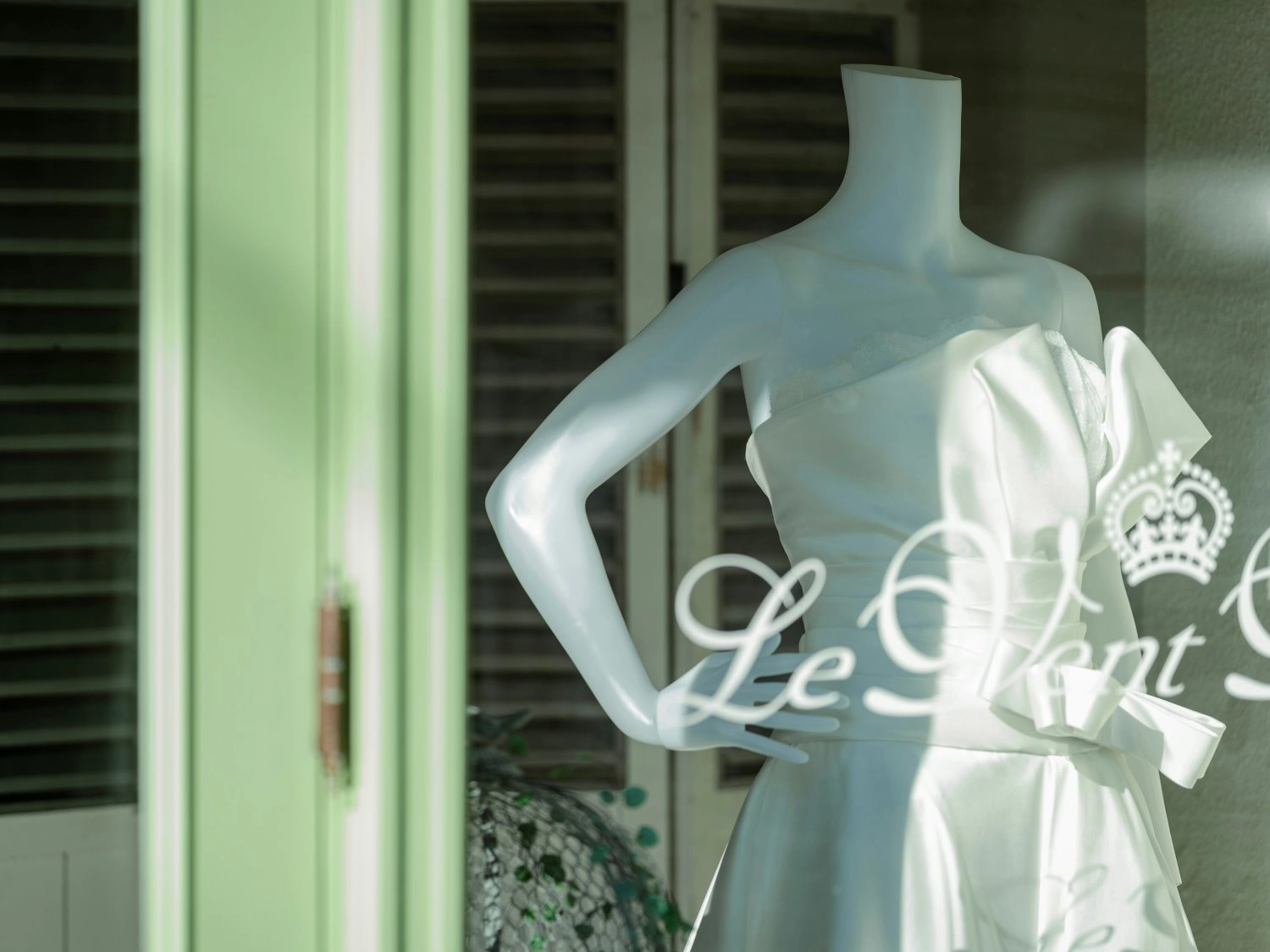
Bridal fashion – Personalized silk wedding gowns
The ability to cater to multiple lifestyle segments broadens Silk’s relevance in a competitive market.
V. Market Trends Driving Silk Customization
1. Demand for Exclusivity
Luxury consumers increasingly seek products unavailable to the mass market. Bespoke silk apparel embodies exclusivity through:
-
One-of-a-kind designs
-
Limited-edition production
-
Artisan hand-finishing techniques
This scarcity-driven value resonates strongly with status-conscious clientele.
2. Integration of Sustainable Luxury
Consumers are no longer satisfied with aesthetics alone. They now expect sustainable sourcing transparency y ethical production standards. Silk customization bridges this demand by combining:
-
Responsible silk farming
-
Artisanal handcrafting
-
Low-volume production models
This alignment positions high-end silk apparel as a premium yet ethical investment.
VI. The Role of Craftsmanship
1. Handcrafted Excellence
The production of custom silk garments demands unparalleled skill. Techniques such as hand embroidery, pleating, and painting require decades of mastery. This dedication to craftsmanship ensures:
-
Impeccable quality
-
Extended garment lifespan
-
Aesthetic depth is unattainable through mass production
2. Preserving Cultural Heritage
Many customization ateliers draw upon regional heritage techniques, from Chinese silk weaving to Italian hand-dyeing. These practices elevate the cultural value of each bespoke silk piece while safeguarding traditional artistry.
VII. Challenges and Opportunities
1. Balancing Sustainability and Exclusivity
While demand for high-end silk apparel continues to rise, brands must balance:
-
Responsible silk sourcing
-
Eco-friendly dyeing techniques
-
Low environmental impact without compromising luxury
This intersection of sustainability and exclusivity presents both challenges and opportunities for innovation.
2. Global Expansion of Luxury Customization
Emerging markets in Asia-Pacific, the Middle East, and North America are driving significant growth. These regions demonstrate rising disposable incomes and heightened interest in personalized luxury products, creating vast opportunities for silk customization.
Conclusión
El slow fashion movement has redefined consumer expectations within the luxury apparel industry. As clients increasingly value sostenibilidad, artesanía, e individualidad, High-end silk custom apparel stands at the forefront of this evolution.
By merging timeless material qualities with modern customization technologies, silk apparel continues to command premium positioning in the global fashion landscape. Brands and artisans that embrace slow fashion values while delivering bespoke silk experiences will shape the future of luxury clothing.